The empire at its height
The High Empire is the name the platform gives to the second-century peak of the Roman order — the stretch from Nerva (96 CE) through Trajan, Hadrian, Antoninus Pius and Marcus Aurelius, the so-called Five Good Emperors. It was the period when the empire reached its widest territorial extent, its most competent administration, and its longest sustained internal peace; when the question facing Roman statecraft shifted from how is power won and held? to how is a continental empire administered well? The platform reads the High Empire as the working answer to a question the European tradition cannot pretend not to care about: whether an imperial order, under disciplined personal rule, can produce a tolerable political condition for the people inside it.
Political structure: government by adoption
The High Empire's distinctive political fact was its succession mechanism. From Nerva to Marcus Aurelius, each emperor — lacking, by accident or design, a surviving son — adopted the ablest available man as his heir. The platform reads this under imperial succession as the period's great apparent solution to the Principate's deepest flaw: merit rather than blood, chosen and groomed in advance. The stability the adoptive system produced is the strongest argument for the High Empire's excellence — and its sudden failure, when Marcus Aurelius broke the pattern and passed power to his son Commodus, is the sharpest evidence of how contingent that excellence always was.
Constitutional and civic structure
Formally, the High Empire remained the Principate: the Republican offices persisted, the senate met, and the emperor still styled himself princeps. But the constitutional reality had matured into open if courteous monarchy, exercised through the emperor's auctoritas and an increasingly professional central administration. The civic ideal of the period was articulated by Pliny's Panegyricus to Trajan: the optimus princeps, the best emperor, is one who governs as if the laws bound him and as if he could be called to account — voluntary self-restraint standing in for the institutional checks the Principate had dissolved. It was a real ideal and a fragile one, depending entirely on the character of the one man.
Military structure
Under the High Empire the army settled into its mature imperial form: a salaried, drilled, long-service professional force, recruited increasingly from the provinces and stationed along fixed frontiers. Trajan used it for the last great wars of conquest — Dacia, Mesopotamia — carrying the empire to its furthest extent; Hadrian then reversed the expansion and fixed the army to permanent defensive lines, the walls and limites that defined the empire as a bounded space. Under army and state this is the calm before the storm: the legions were disciplined and the succession stable, so the structural fault that would tear the empire apart in the third century stayed, for now, quiet.
Administrative structure and the law
The High Empire is where Roman administration and Roman law reached their classical maturity. The Pliny–Trajan correspondence shows a conscientious governor and a careful emperor managing a province in detail; Hadrian professionalised the central civil service and had the praetor's edict codified into the fixed Edictum Perpetuum; Antoninus Pius and the Antonine jurists made government by legal rescript the ordinary mode of imperial rule. The platform reads this under imperial law and imperial administration: the period built the legal and bureaucratic substrate that would outlast Roman power itself. Citizenship, too, widened across the period toward its near-universal grant in 212 — read under Roman citizenship.
The great tension
The High Empire's tension is the one Tacitus and Trajan's reign pose together: even the best principate is still a principate, and depends for its working on the character of one man. The Trajanic and Antonine answer — that under a disciplined ruler the order can be lived under well — does not refute the Tacitean diagnosis that the substance of political freedom is gone. It shows what is possible under the right contingent conditions; and Commodus showed what happens the moment those conditions are absent.
Relationship to the earlier and later phases
The High Empire is the Principate working at its best — the same constitutional fiction, now exercised by able men under a stable succession. It gives way, after Marcus Aurelius and the disaster of Commodus, to the Severan period and then to the catastrophe of the third century, out of which the Late Empire — a different and more autocratic state — was forced into being.
Visual archive
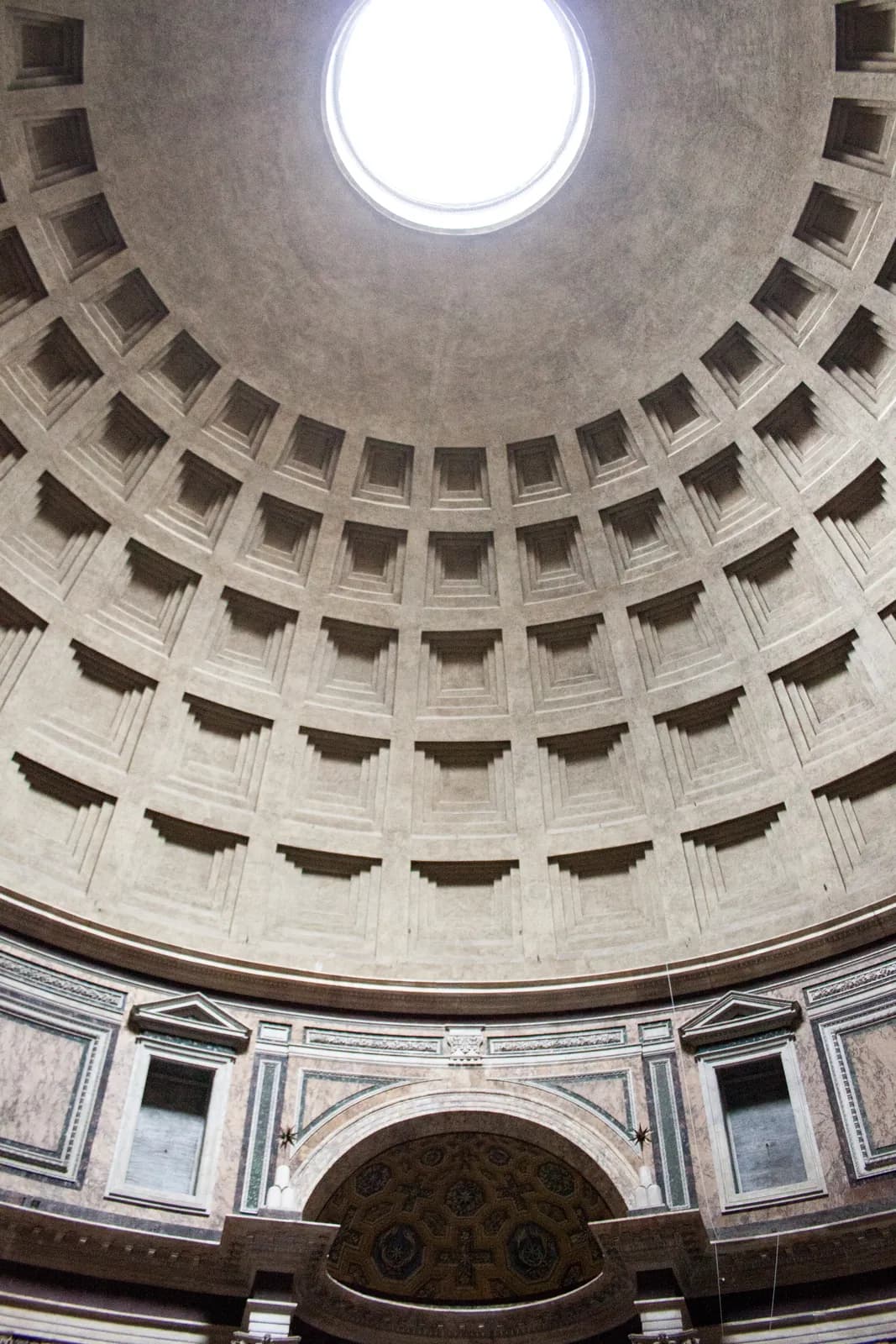
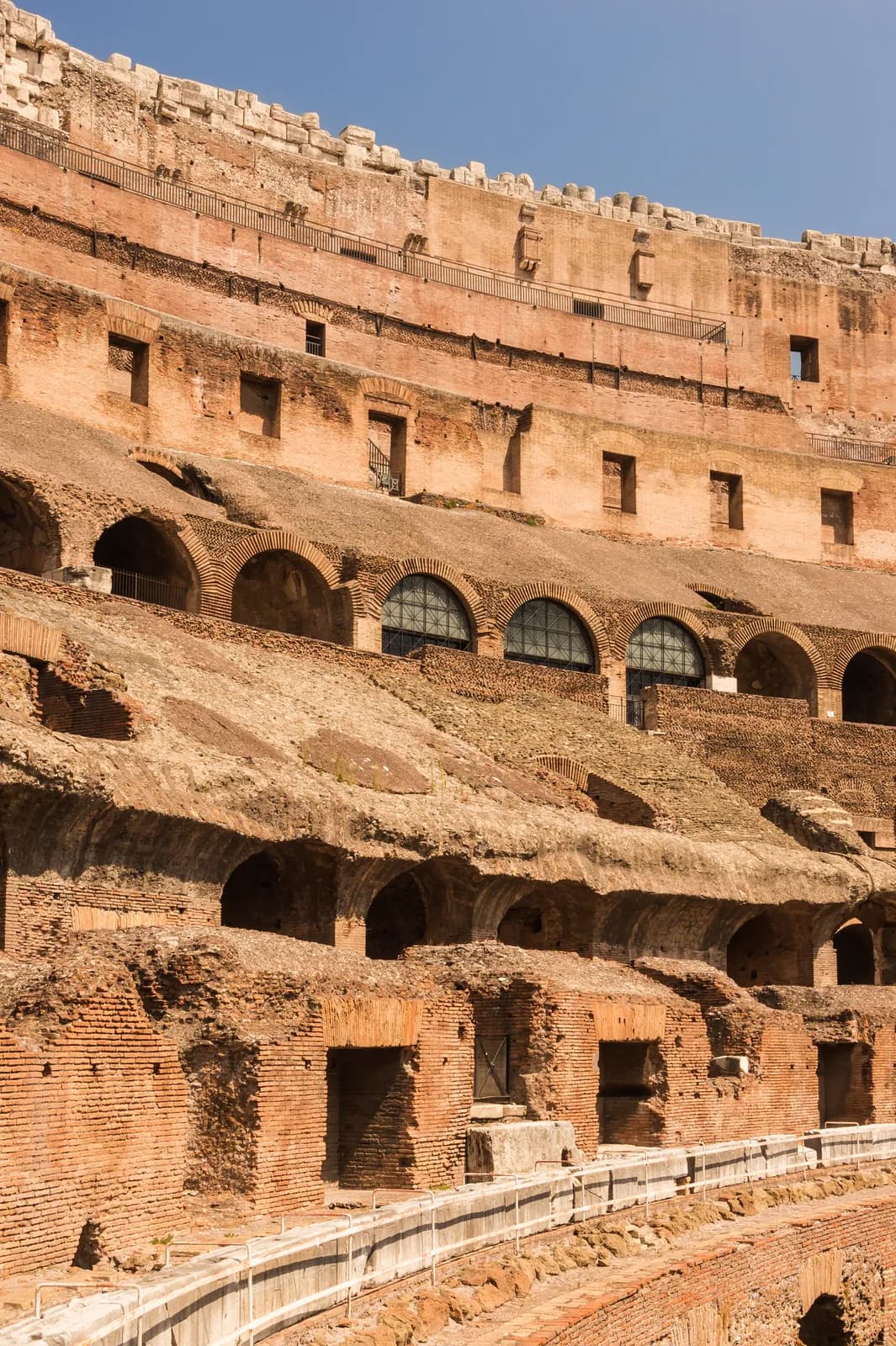
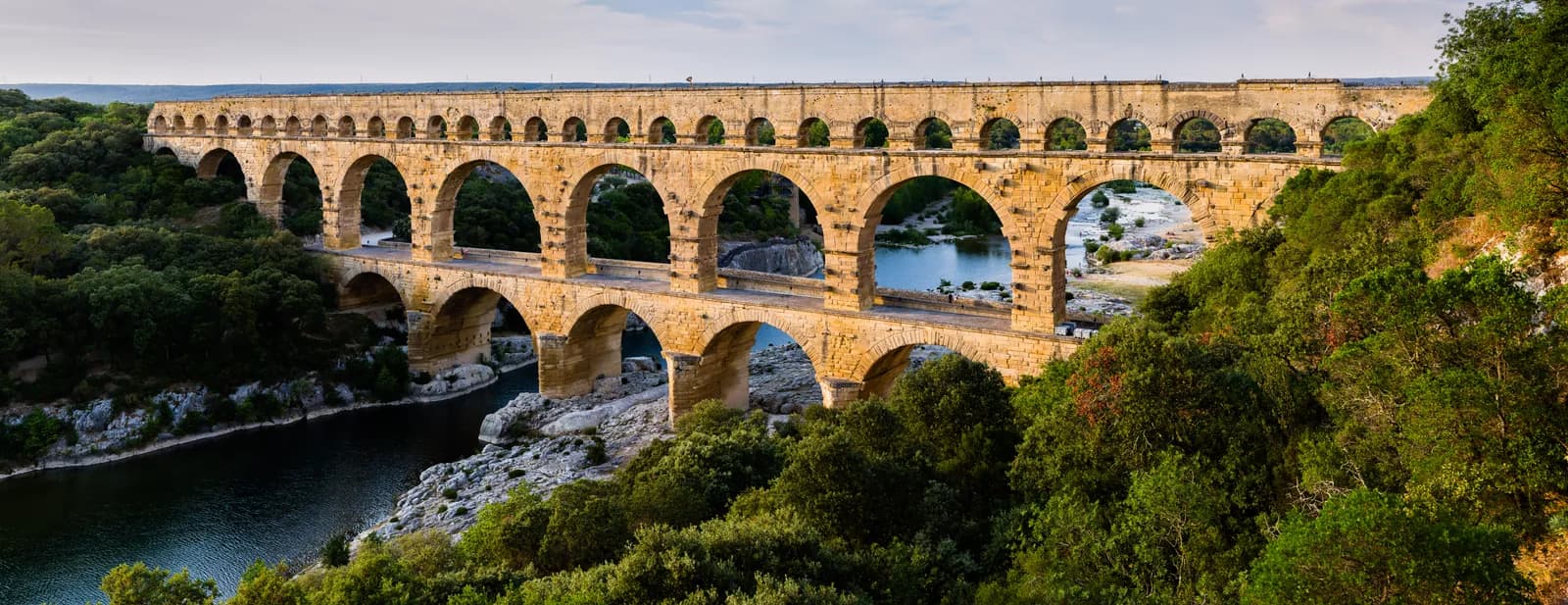
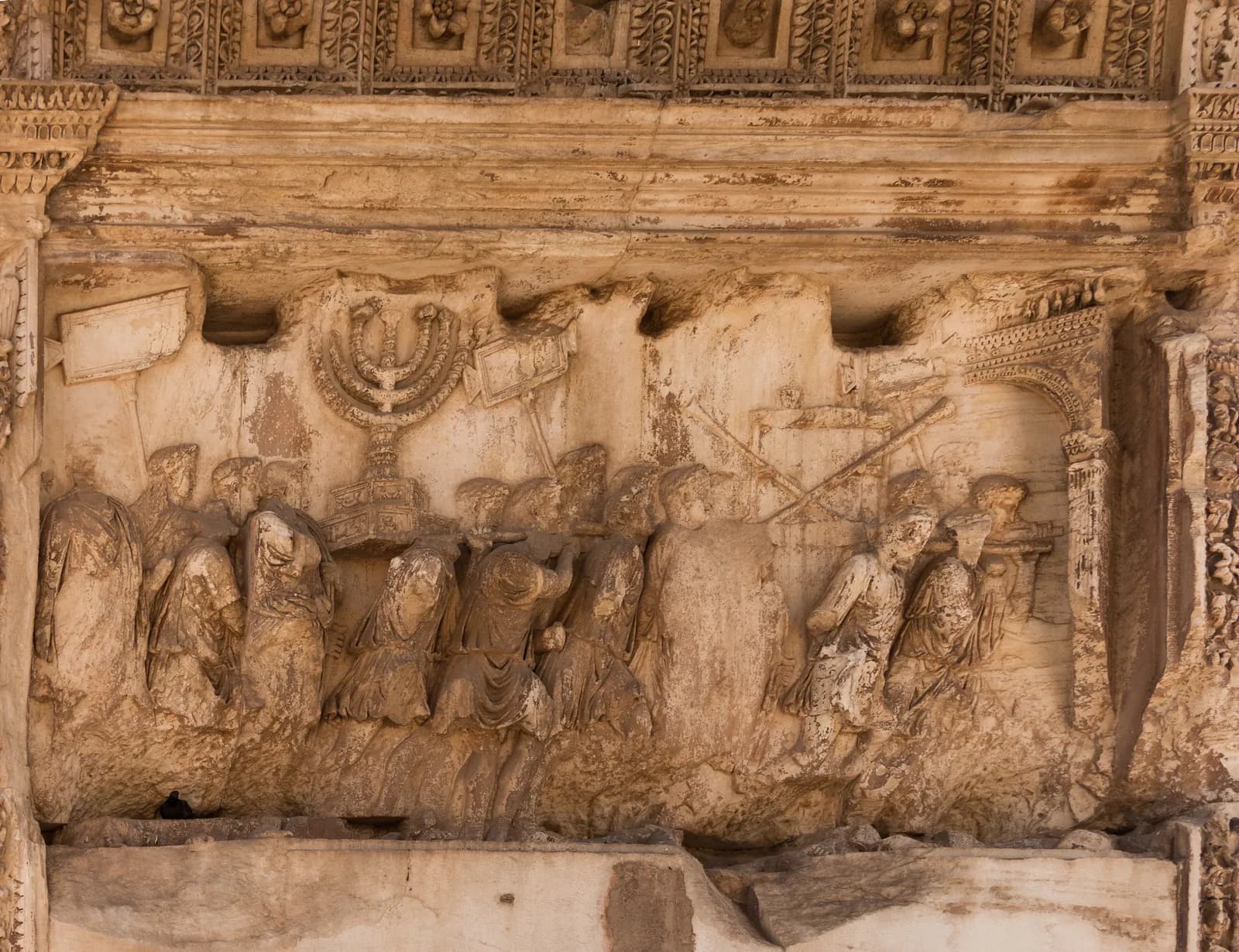
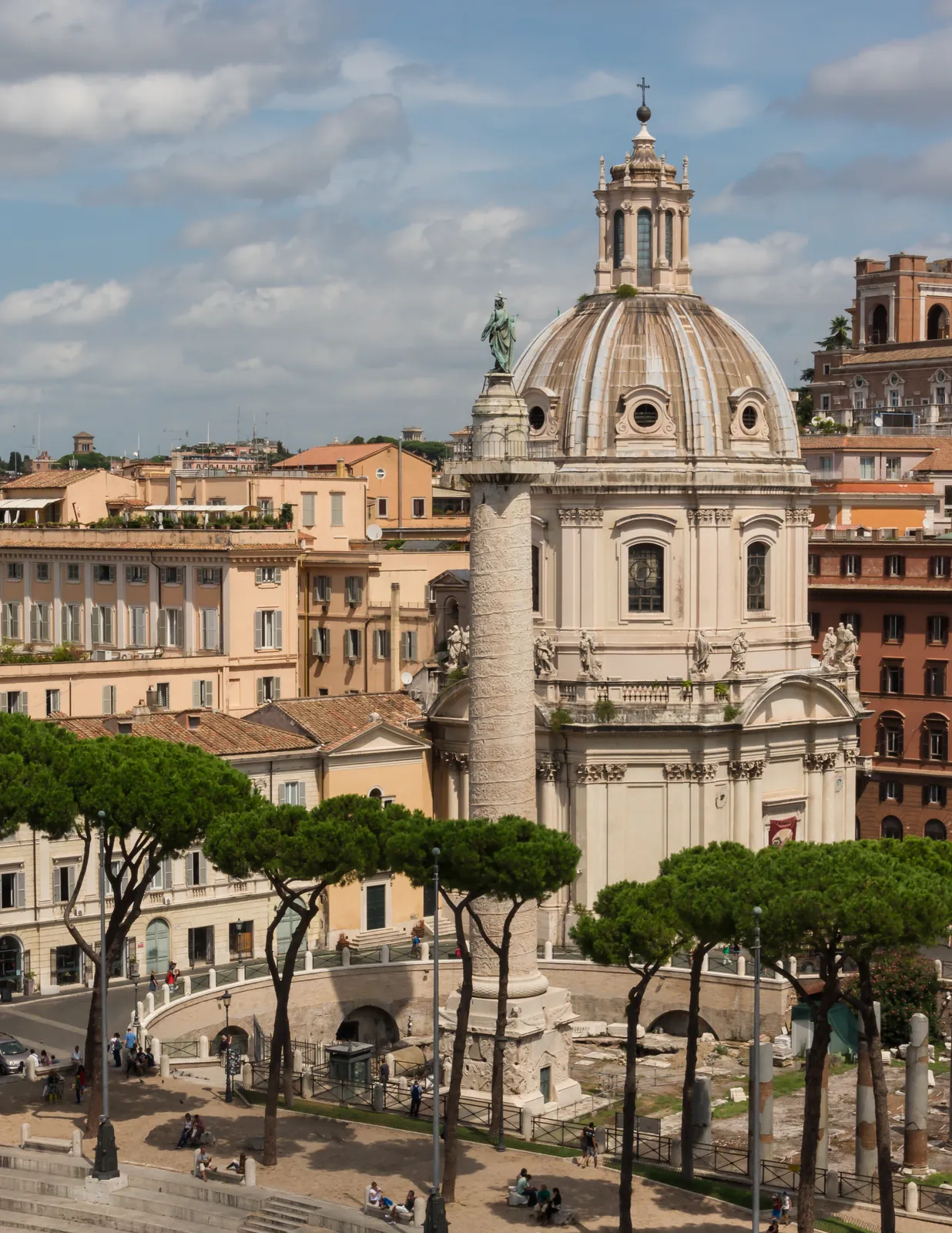
No period left a denser monumental record. Trajan's Column carries the Dacian wars in a 200-metre spiral relief; the Pantheon under Hadrian is the surviving record of imperial concrete engineering at its full reach; the Flavian Colosseum and the Arch of Titus frame the imperial capital the High Empire inherited and completed. These anchor the visual archive across the figure and essay pages grouped here.
Why the platform reads the High Empire
The platform reads the High Empire because it is the empire's best case — the demonstration of what Roman government could do when the succession held and the men at the top were able and restrained. Marcus Aurelius, the Stoic on the throne, is the period's emblem: virtue and power held briefly in the same hands. That the whole edifice depended on the character of individuals, and fell apart the moment that dependence was tested, is the lesson the platform reads the High Empire to draw.