A constitution no one designed
The Roman Republic is the founding case in the European tradition of self-government without a founder. It had no written constitution, no single charter, no moment of design. It grew, over five centuries, out of the expulsion of the kings around 509 BCE and the long internal bargaining between the patrician aristocracy and the plebeian body — and the constitution it produced was the accumulated residue of those bargains, held in place by nothing more formal than the political class's agreement to keep honouring it. The platform reads the Republic as the longest sustained ancient experiment in distributed authority, and as the political order whose collapse the European tradition has studied more closely than any other.
Constitutional and political structure
Polybius, the Greek hostage who became the first careful analyst of the system, read it as a mixed constitution: a balance of monarchic, aristocratic and democratic elements that checked one another and so escaped the cycle of regimes that destroyed simpler states. The two annually elected consuls held the monarchic element — supreme civil and military command — but shared it with each other, held it for one year, and could be prosecuted when they laid it down. The senate, a standing body of former magistrates, held the aristocratic element: it controlled finance, foreign policy and the long memory of the state, and governed by auctoritas rather than formal command. The popular assemblies held the democratic element: they elected the magistrates, passed the laws and declared the wars. The plebeian tribunes, with their power of veto (intercessio) and the protection of provocatio against arbitrary magisterial action, guarded the citizen against the magistrate.
What held this together was not law but custom — mos maiorum, the way of the ancestors — and the willingness of an ambitious political class to subordinate ambition to it. Cicero's De Re Publica is the great defence of how that informal substance could hold; his De Officiis is the manual of the personal disciplines the system required from its senators.
Military structure
The Republican army was, for most of its history, a citizen militia raised by property qualification: a man served because he owned enough land to be liable, and he expected to return to it. This tied the army to the civic body — soldiers were citizens with a stake in the order they fought for. The conquests of Italy, then of Carthage and the Hellenistic east, strained the system, and the Marian reforms of the late second century BCE broke it: opening the legions to the propertyless tied the soldier's future to his general rather than the state. Under the army-and-state theme, this is the hinge on which the Republic turned toward its end — the army that had belonged to the city began to belong to Marius, Sulla, Pompey and Caesar.
Administrative structure
The Republic governed an empire with the apparatus of a city. There was no professional civil service; provinces were administered by the same annual magistrates who governed at home, sent out as proconsuls after their term, and revenue was collected by private tax-farming corporations (publicani). The system worked at the scale of a city-state and failed at the scale of a Mediterranean empire, producing the predatory governorships — Verres in Sicily the documented archetype — that the Principate would later have to reform. The administrative thinness of the Republic is itself part of the story of why it could not absorb the empire it had won.
Civic ideals and their corrosion
The Republic's animating ideal was civic virtue — the conviction that the citizen owed the res publica a discipline of service, restraint and willingness to subordinate private gain to the common good. The ideal was real and it was also always under pressure from its opposite: ambitio, the competitive pursuit of honour and power that the system both required and could not contain. Sallust's histories — the Conspiracy of Catiline and the Jugurthine War — are the great contemporary diagnoses of the corrosion, reading the Republic's crisis as a moral failure of its governing class as much as a structural one.
The great tension, and the collapse
The Republic's deep tension was between its informal constitution and the scale of the power its conquests generated. The system depended on no one having enough force to override the customary restraints; the late Republic produced men — Sulla with his march on Rome, Pompey with his extraordinary commands, Caesar with his loyal legions — who did. The constitutional theory was never refuted; the political class simply stopped accepting the constraints the theory rested on. The platform reads the collapse, across the essays grouped here, as a failure of norms rather than of institutional design.
Relationship to the later Roman phase
The Republic did not end at a single moment. Its substance drained away across the century from the Gracchi to Actium, and the Augustan settlement that followed — read on the Principate hub — preserved every Republican form (the magistracies, the senate, the assemblies, the vocabulary of the res publica) while quietly transferring their substance to one man. The Republic became, in Tacitus's reading, a theatre whose actors still spoke the old lines. Understanding the Principate requires first understanding what it was the imitation of; that is what this hub holds.
Visual archive
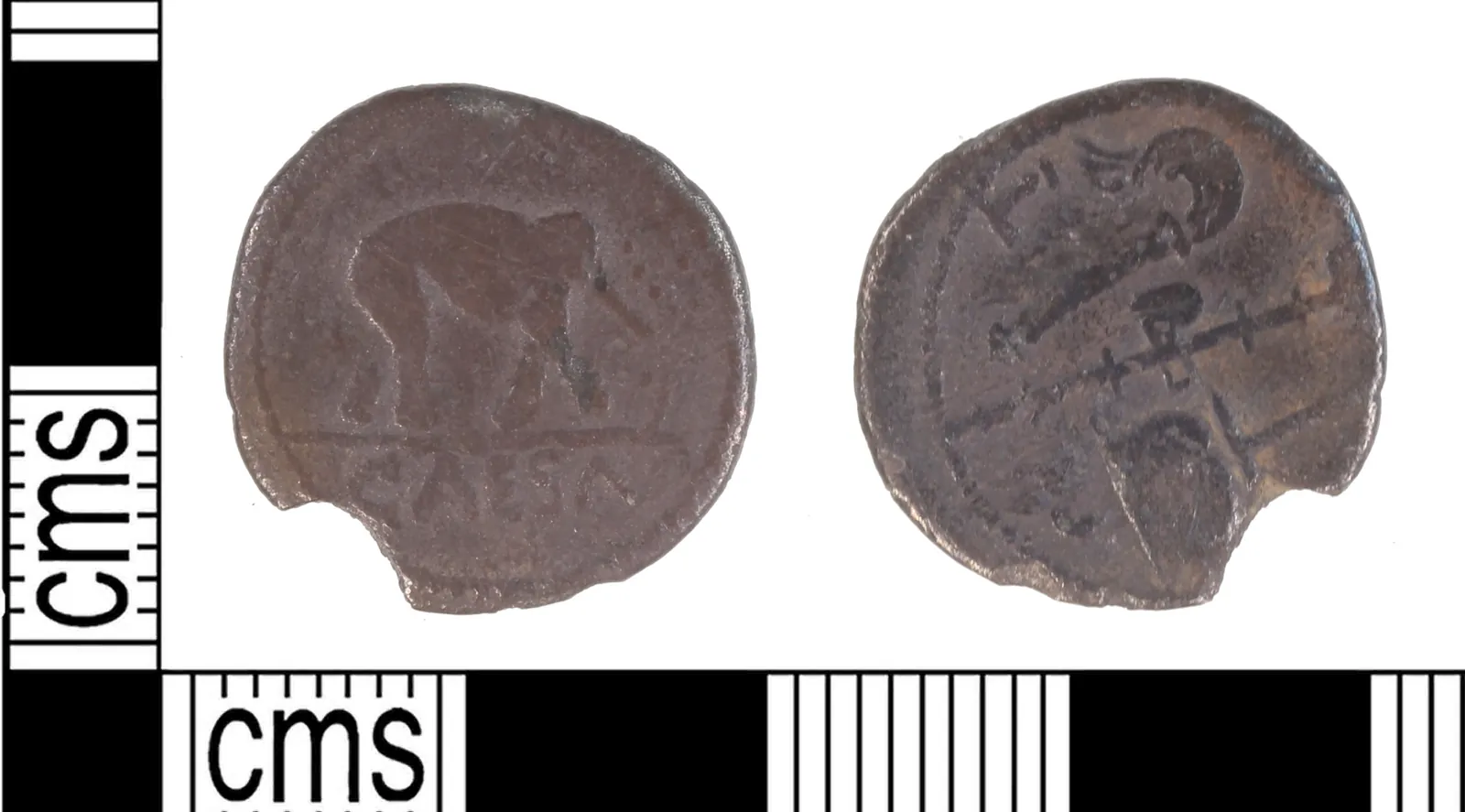
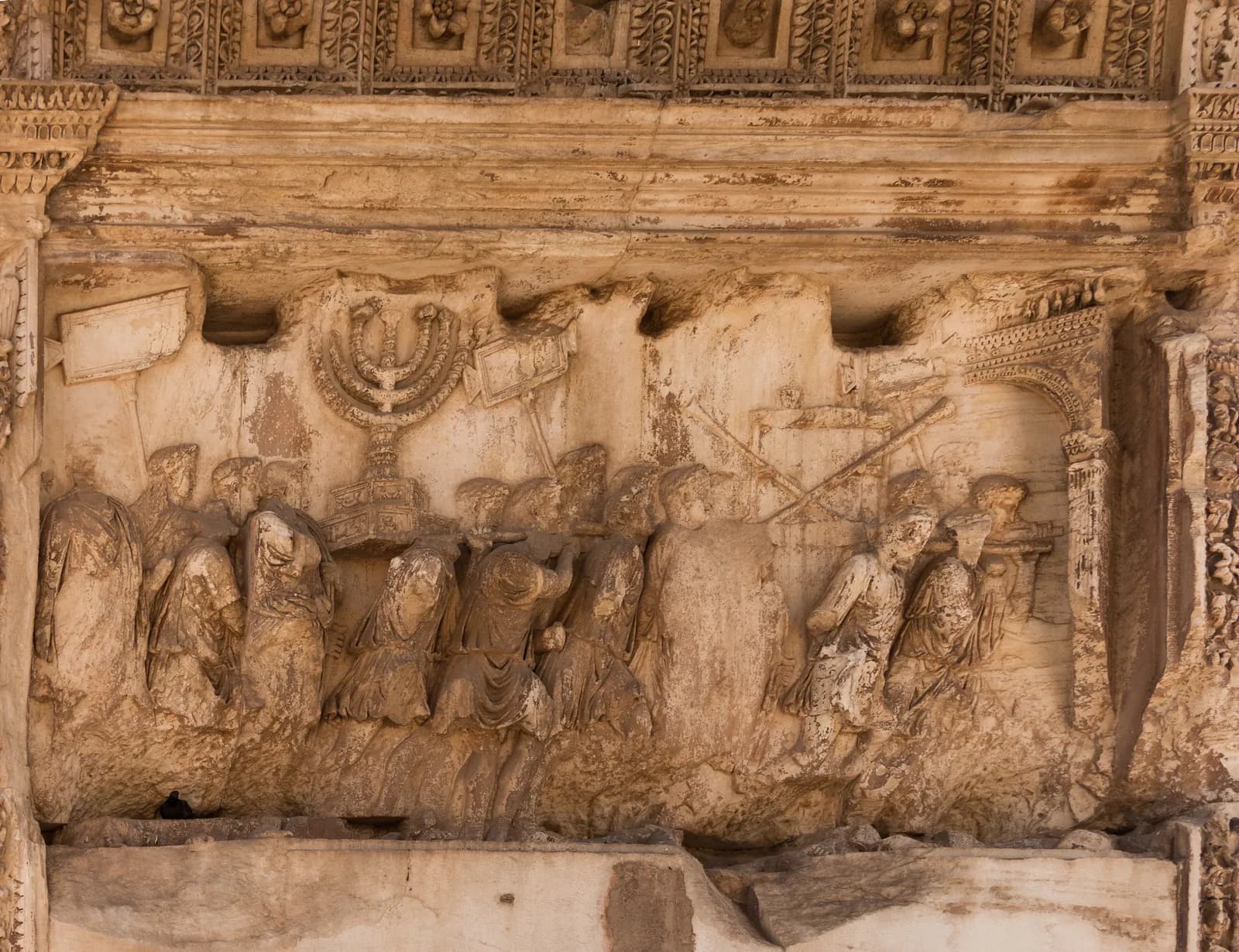
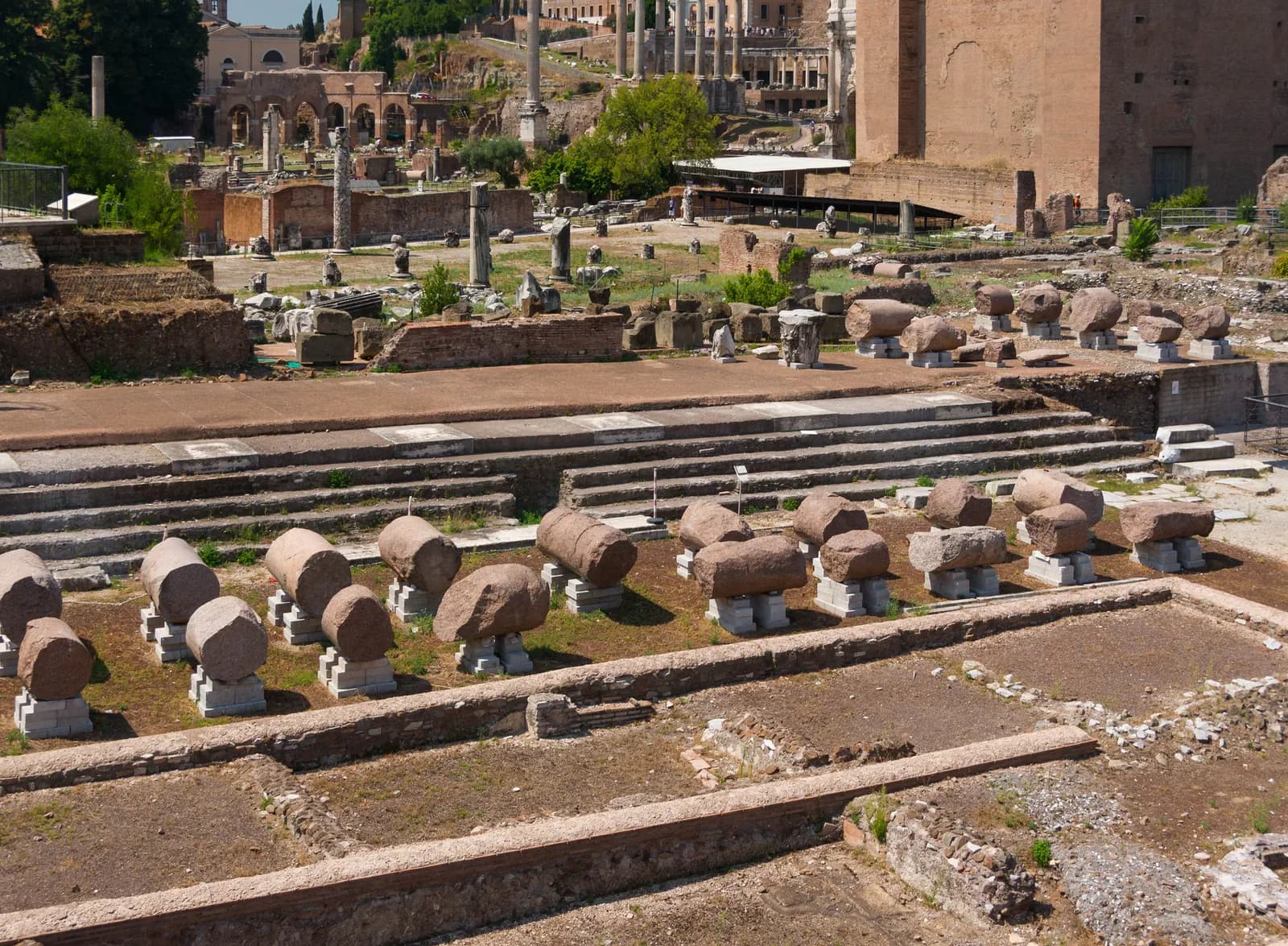
The Republic's physical center was the Roman Forum — the working space of the courts, the senate, the assemblies, the funeral processions and the triumphs, whose fabric grew with each generation's political settlement. The coinage of the late Republic, such as Caesar's military denarius, is the surviving record of how the competing dynasts addressed the citizen body directly through the images on the money. These anchor the visual archive of the Republic across the figure pages and essays grouped here.
Why the platform reads the Republic
The platform reads the Roman Republic because it is the ancestor of the entire European republican tradition — the source of the vocabulary (senate, consul, tribune, citizen, veto) and the institutional intuitions (mixed government, checks and balances, the rotation and accountability of office) that the American founders and their successors reached for. And it reads it because its collapse is the standing warning that attends the inheritance: that a free constitution can survive the loss of its forms for a long time, but not the loss of the civic discipline that made the forms work.