The second man
Marcus Vipsanius Agrippa is the most important Roman of the Augustan age after Augustus himself, and the platform reads him as the standing case of a particular kind of power: the power that wins everything for someone else and chooses to keep it there. Of obscure family, Agrippa was Octavian's exact contemporary and his friend from youth, and he became the instrument through which the heir of Caesar made himself master of the Roman world. Without Agrippa there is no Augustan settlement; with him, the settlement's deepest peculiarity — that the most capable soldier in the state spent his life as a subordinate — becomes legible.
The man who won the wars
Octavian was not a soldier; Agrippa was. The military foundation of the Principate was Agrippa's work. He built and trained the fleet that destroyed Sextus Pompeius at Naulochus in 36 BCE, ending the threat to Rome's grain supply. Above all, he commanded at Actium in 31 BCE, where his naval generalship defeated Antony and Cleopatra and made Octavian the sole power in the Roman world. The settlement that followed — the "restoration of the Republic," the grant of the name Augustus — rested on victories that were, in their execution, Agrippa's. The theme the platform calls army-and-state runs straight through him: the armies that decided the civil wars were commanded by a man who used them to install a friend rather than himself.
The builder and administrator
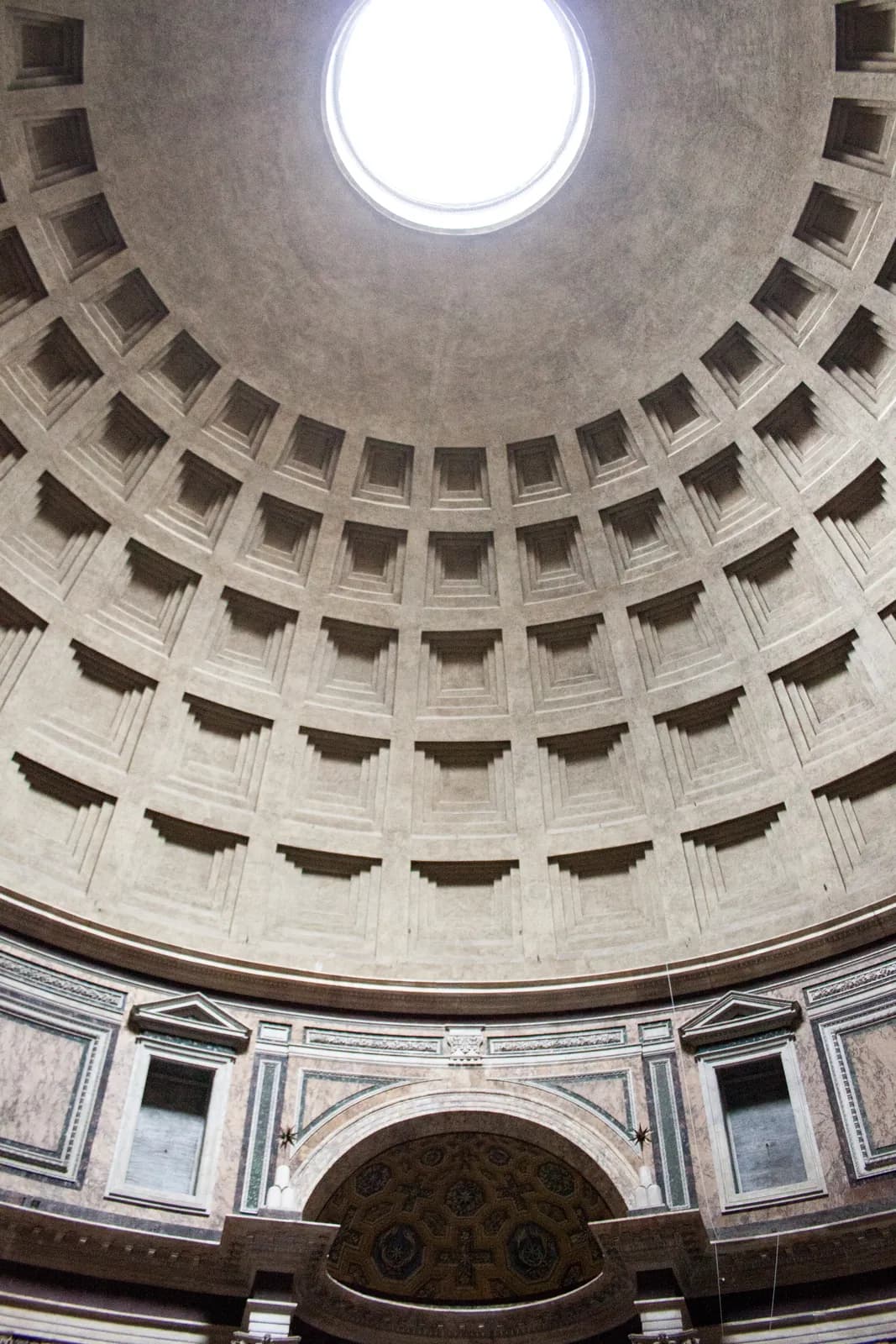
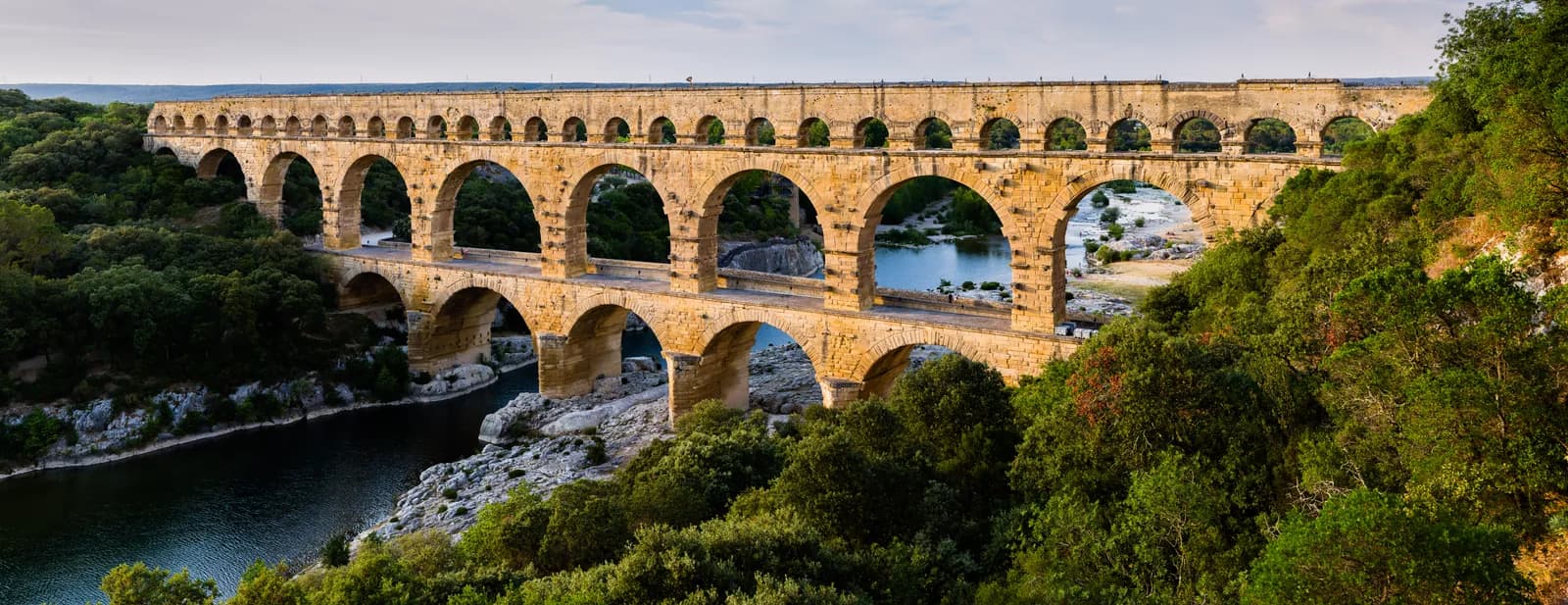
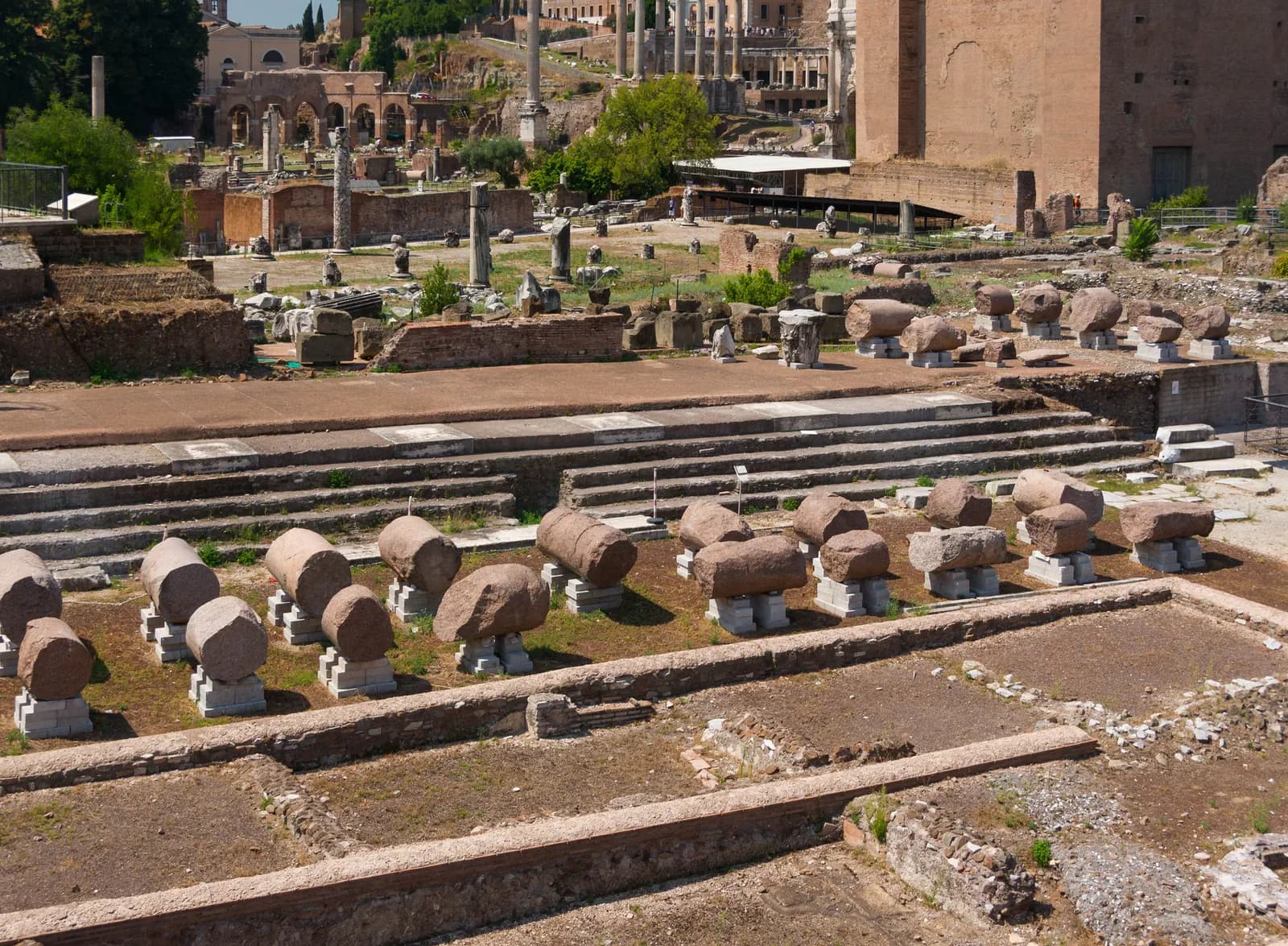
Agrippa's second career was administrative and architectural, and it remade the physical city. As aedile in 33 BCE he overhauled Rome's water supply, building and repairing aqueducts and creating a permanent corps to maintain them — the foundation of the imperial water administration. He built the first Pantheon (the surviving structure is Hadrian's rebuilding, but it still carries Agrippa's name in its inscription), the first great public baths, and a map of the known world displayed in a public portico — an administrative as much as a decorative act, a statement of the empire as a thing to be surveyed and known. The infrastructure of the Augustan city, the substrate of imperial administration, is substantially Agrippa's.
Power held in trust
The deepest political fact about Agrippa is what he did not do. Augustus married him to his daughter Julia, granted him tribunician power and a proconsular imperium approaching his own, and treated him as colleague and presumptive guardian of the dynasty. Agrippa's sons by Julia — Gaius and Lucius — were adopted by Augustus as heirs. Agrippa was, in every practical sense, co-ruler in his last years, and had he outlived Augustus the history of the succession might have run through him. He died in 12 BCE, and Augustus buried him in his own mausoleum. The platform reads Agrippa as the answer to a question the imperial centuries kept asking and rarely answering well: can supreme military power be exercised in loyal service to another, without seizing the prize for itself? Agrippa's career is the rare ancient instance where the answer was yes — and the system Augustus built depended on it being so.
Why the platform reads him
The platform reads Marcus Agrippa because he discloses what the Augustan settlement actually required to work: not only Augustus's political genius but a soldier-administrator of the first rank who was content to be the second man. His military victories, his engineering and his self-restraint are three faces of a single phenomenon the European tradition has rarely seen — talent at the scale that could have founded its own monarchy, deliberately spent to found someone else's. He is read here beside Augustus, and under the themes of army, administration and power.