The first great age
The Old Kingdom is the first great age of the Egyptian state — the period the modern world knows as the Age of the Pyramids. The platform reads it as the foundational era of Egyptian civilization: when a newly unified monarchy, ruling the whole Nile valley from a single centre, achieved a power and confidence that expressed itself in the largest stone monuments ever raised, and fixed the forms of sacred kingship, religion, art and administration that Egypt would maintain, with variations, for three thousand years. Everything later Egyptian civilization became was, in some sense, established here.
Political structure
The platform reads the Old Kingdom as a highly centralized sacred monarchy. The pharaoh was the absolute centre — a god on earth, the living Horus, owner in principle of the whole land, and the figure through whom the cosmic order was maintained. Beneath him a small literate elite of officials, many of them royal kinsmen, administered the realm from the capital at Memphis. The platform reads the Old Kingdom state as the purest expression of pharaonic legitimacy: authority radiated entirely from the divine king, and the great works of the age were possible only because that authority was, for a time, unquestioned and total.
The state and the Nile
The platform reads the Old Kingdom's power as resting on the Nile and the administrative state that managed it. The river's reliable flood produced agricultural surpluses; a literate bureaucracy of scribes assessed, collected, stored and redistributed the grain; and this surplus and this apparatus gave the pharaoh the resources and the organized labour to build on a scale no other early civilization could match. The platform reads the administrative state as the unglamorous foundation beneath the glamour of the pyramids: without the granaries and the scribes, the monuments were impossible.
Architecture and the pyramids
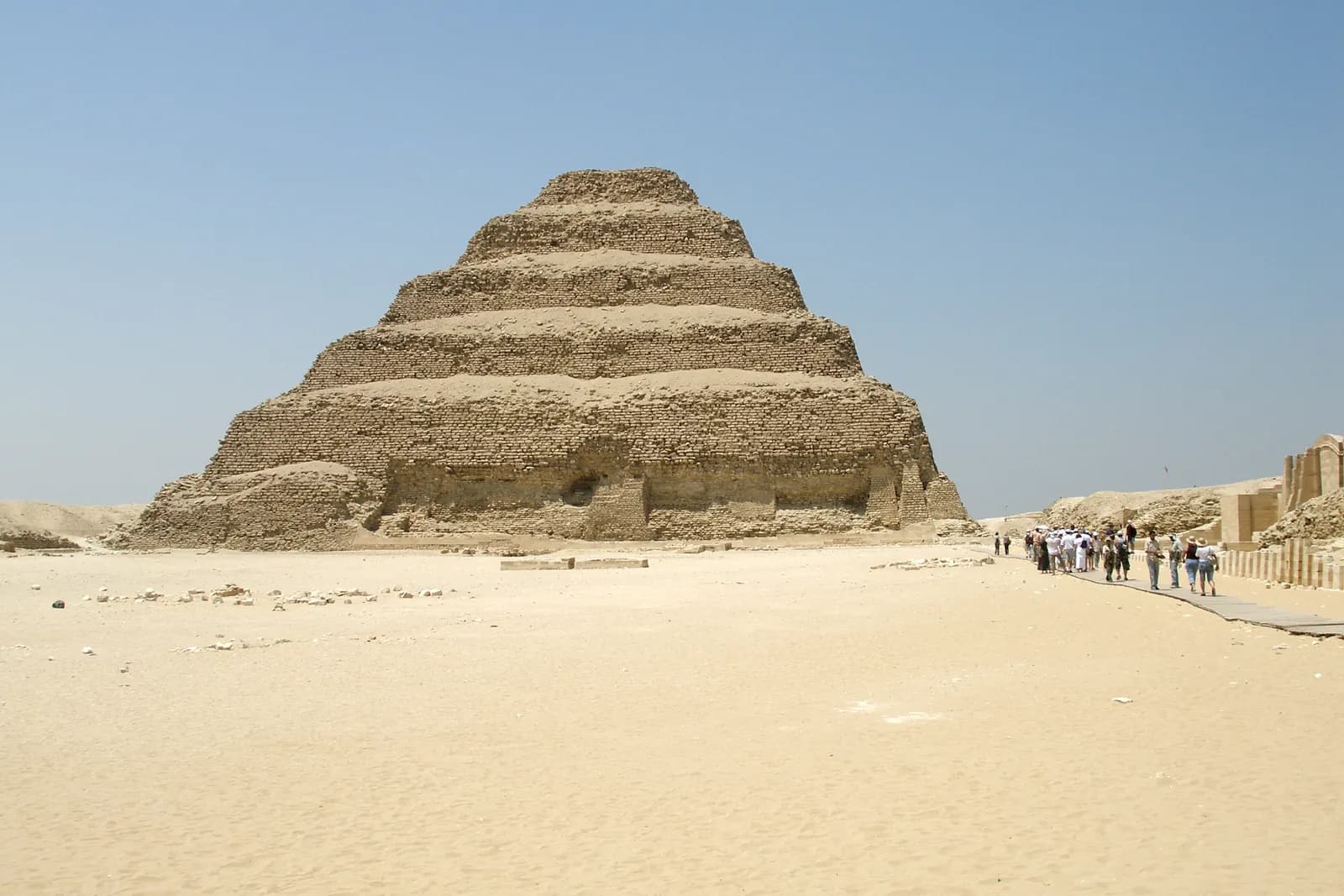
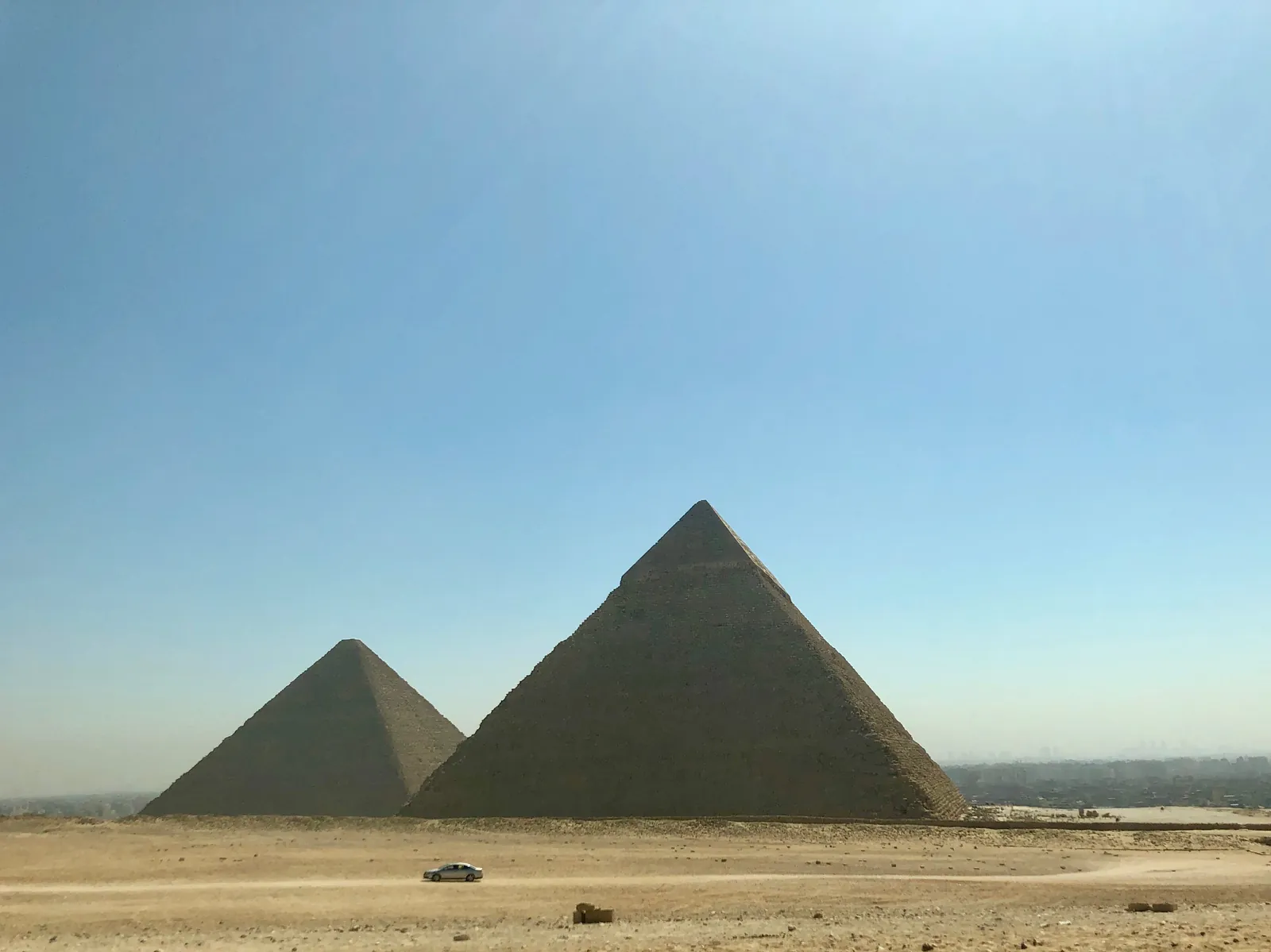
The platform reads the pyramids as the supreme achievement and signature of the age. The progression — from the world's first large stone building, the Step Pyramid of Djoser at Saqqara, through the experiments of Sneferu, to the perfected Great Pyramid of Khufu at Giza — traces the Old Kingdom's mastery of monumental stone construction in the space of a century. The platform reads the pyramids under monumentality and afterlife and order: they were machines for the pharaoh's resurrection and assertions of permanence against time, and they remain the most famous monuments on earth.
Decline
The platform reads the Old Kingdom's decline as a gradual loss of central control. Across the later dynasties the provincial governors (nomarchs) grew more independent and the resources devoted to royal monuments shrank; the extraordinarily long reign of Pepi II is traditionally associated with the weakening of the throne. A combination of administrative decentralization and, probably, a period of low Nile floods and climatic stress brought the centralized state down around 2181 BCE, opening the First Intermediate Period of division and competing local rulers. The platform reads the collapse as the first demonstration that even Egypt's order could fail — and that it could be restored, as the Middle Kingdom would prove.
Why the platform reads the Old Kingdom
The platform reads the Old Kingdom as the foundation of Egyptian civilization and the supreme age of monumentality — the era that built the pyramids and fixed the pharaonic forms that three thousand years of continuity would preserve. It is the opening of the platform's Egypt-through-the-ages reading, developed in why Egypt lasted and the Nile and political order.